Welcome to Appliance Error Guide, a practical resource created to help homeowners understand appliance error codes, common warning messages, and simple troubleshooting checks before calling a technician.
When a washer, dryer, dishwasher, or refrigerator suddenly displays an error code, it can be confusing and stressful. Our goal is to make that situation easier to understand by explaining what different codes may mean, what usually causes them, what you can safely check first, and when it is better to contact a qualified repair professional.
Here you will find clear and easy-to-follow guides about washer error codes, dishwasher error codes, refrigerator error codes, dryer error codes, and common appliance problems that can appear during everyday use.
At Appliance Error Guide, we believe appliance problems should be easier to understand. Many homeowners see a flashing code on a display and do not know where to start. Sometimes the issue is simple, such as a blocked filter, poor airflow, a drainage problem, an unbalanced load, or a door that is not closing properly. Other times, the error may point to a sensor, electrical component, control board, or internal fault that should be handled by a trained technician.
That is why this website is designed to explain appliance error codes in plain English, without confusing technical language or risky repair instructions. We focus on practical information that helps you make better decisions, avoid unnecessary panic, and understand the safest next step.
How Appliance Error Guide Helps You
Every guide on this website is written for real-life situations. A machine may stop during a cycle, a display may flash unexpectedly, or a fault message may appear after a power outage, a heavy load, a clogged filter, or repeated use.
Instead of guessing, you can use our guides to understand the possible meaning behind the code and compare it with the symptoms you are seeing. This can help you decide whether the issue may involve a simple external check or whether it is safer to request professional service.
We do not present our guides as a substitute for professional repair service. Some problems involve electricity, heat, sealed systems, gas connections, water leaks, or internal components. When a situation looks unsafe, repeated, or unclear, the best decision is to contact a qualified technician.
Latest Guides
In this section, you will find our most recent guides about appliance error codes, common causes, warning signs, and safe troubleshooting checks.
We update our content to help you quickly understand what different appliance codes may indicate before you reset a machine, inspect a basic component, contact customer support, or call a repair technician.
- What an appliance error code may indicate
- Common symptoms connected to the warning
- Basic checks that may be safe for homeowners
- Warning signs that require professional service
- When not to continue using the appliance


















Washer Error Codes
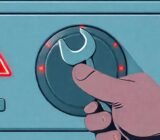
Washer error codes can be frustrating, especially when a load of laundry is already inside the machine. A washing machine may display a code because of a drainage issue, water supply problem, door lock fault, unbalanced load, sensor warning, or another internal error.
In the Washer Error Codes category, you will find practical guides that explain what different washer codes may mean and what common causes are usually associated with them. We focus on clear explanations for popular washing machine brands, simple checks you can perform safely, and warning signs that suggest the problem should be handled by a qualified technician.
This section is ideal if your washer suddenly stops mid-cycle, refuses to drain, will not spin, shows a flashing display, or repeats the same error after restarting. Instead of guessing, you can use our guides to understand the possible meaning of the code and what to check first.
The goal is not to turn every homeowner into a repair technician. The goal is to help you understand the situation better, avoid unsafe actions, and decide whether the issue is simple enough to inspect or serious enough to require professional help.
Dishwasher Error Codes
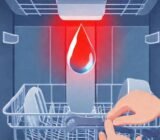
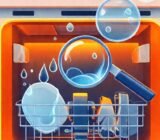
Dishwasher error codes often appear when the appliance detects a problem with water intake, drainage, temperature, leaks, sensors, or internal operation. Since many dishwashers stop working as soon as a fault is detected, understanding the code can help you decide what to do next.
In the Dishwasher Error Codes category, you will find easy-to-read explanations for common dishwasher warnings and error messages. We explain what the code may indicate, what usually causes the issue, and which basic checks may be safe before calling for service.
This category is useful if your dishwasher is not draining, not filling with water, leaving dishes dirty, showing a leak warning, stopping during a cycle, or displaying a code you do not recognize.
Our guides are written for everyday users who need clarity, not complicated service manuals. You will find practical information that helps you understand the problem without taking unnecessary risks or trying advanced repairs that should only be handled by professionals.
Refrigerator Error Codes
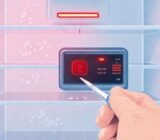
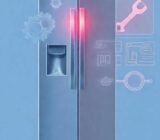
Refrigerator error codes can be concerning because they may involve cooling performance, freezer temperature, door sensors, fans, defrost systems, control boards, or other important components. Since food storage depends on stable temperature, it is important to understand refrigerator warnings quickly and responsibly.
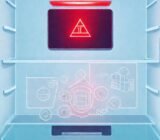
In the Refrigerator Error Codes category, we explain what common refrigerator and freezer error codes may mean, why they appear, and what signs you should pay attention to. You will also find safe first checks, such as verifying doors, airflow, temperature settings, and visible warning indicators.
| Basic signs to observeFlashing display, door alerts, unusual temperature changes, blocked airflow, or a warning after a power outage. | When to be cautiousIf cooling does not return, food temperature is unsafe, or the code repeats, professional service may be the safest option. |
This section is helpful if your refrigerator display is flashing, the freezer is not cooling properly, the fridge is making unusual alerts, or a code appears after a power outage or temperature change.
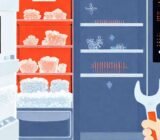
Our goal is to help you understand the possible cause behind the error without encouraging risky repairs. Some refrigerator problems can be checked safely from the outside, but others may involve sealed systems, electrical parts, or internal components that require professional attention.
Dryer Error Codes
Dryer error codes usually appear when the appliance detects problems related to airflow, heating, sensors, moisture detection, door switches, lint buildup, or internal safety systems. Since dryers involve heat and ventilation, it is especially important to approach error codes with caution.
In the Dryer Error Codes category, you will find simple explanations of common dryer fault codes, possible causes, and safe troubleshooting steps. We focus on practical checks such as airflow restrictions, lint filter condition, vent issues, load size, and common warning patterns.
This category is useful if your dryer is not heating, takes too long to dry clothes, stops before the cycle ends, displays a sensor warning, or shows an error code repeatedly.
Our guides are designed to help you understand what may be happening before you continue using the appliance. Dryer problems should never be ignored when they involve heat, burning smells, blocked ventilation, or repeated shutdowns. When the warning signs point to a safety concern, contacting a qualified technician is the best decision.
Learn Appliance Error Codes the Simple Way
At Appliance Error Guide, we want appliance troubleshooting to be easier, safer, and more understandable for everyone. You do not need to know advanced repair terminology to understand what a basic error code may be telling you.
That is why we organize our content into clear categories. If your washer shows a code, you can go directly to washer error guides. If your dishwasher stops mid-cycle, you can check dishwasher warnings. If your refrigerator display flashes unexpectedly, you can review refrigerator codes. If your dryer shows a fault message, you can look for dryer-related explanations.
Our website is created for real-life situations: when an appliance suddenly stops, when a code appears on the display, when a machine behaves differently than usual, or when you need to know whether a problem is simple or potentially serious.
More Than Error Codes
Understanding an appliance error code is not only about knowing what the letters and numbers mean. It is also about recognizing the symptoms around it.
A washer code may be connected to water drainage. A dishwasher warning may point to a filling issue. A refrigerator alert may be related to temperature changes. A dryer error may involve airflow or heat. In many cases, the code is only one part of the full picture.
That is why our guides also explain common causes, safe checks, warning signs, and practical next steps. We aim to help you avoid unnecessary confusion, reduce repeated mistakes, and communicate better with a repair professional if service is needed.
A clear explanation can save time, reduce stress, and help you make smarter decisions before resetting the appliance, continuing to use it, or paying for a repair visit.
Use Appliance Error Guide as Your Starting Point
Appliance Error Guide is not a replacement for professional repair service, and it does not encourage unsafe repairs. Instead, it is a practical starting point for understanding appliance error codes and common troubleshooting situations.
Every guide is written to be clear, cautious, and useful. Whether you are dealing with a washer that will not drain, a dishwasher that will not complete a cycle, a refrigerator with a flashing display, or a dryer that keeps showing a warning, this website helps you understand what may be happening.
Explore our categories, read the latest guides, and use Appliance Error Guide whenever an appliance error code leaves you wondering what to do next.